
July 30, 2026 · Nate Love
What's your Grand Rapids home actually worth? (All four prices, explained)
For sellers · Market data
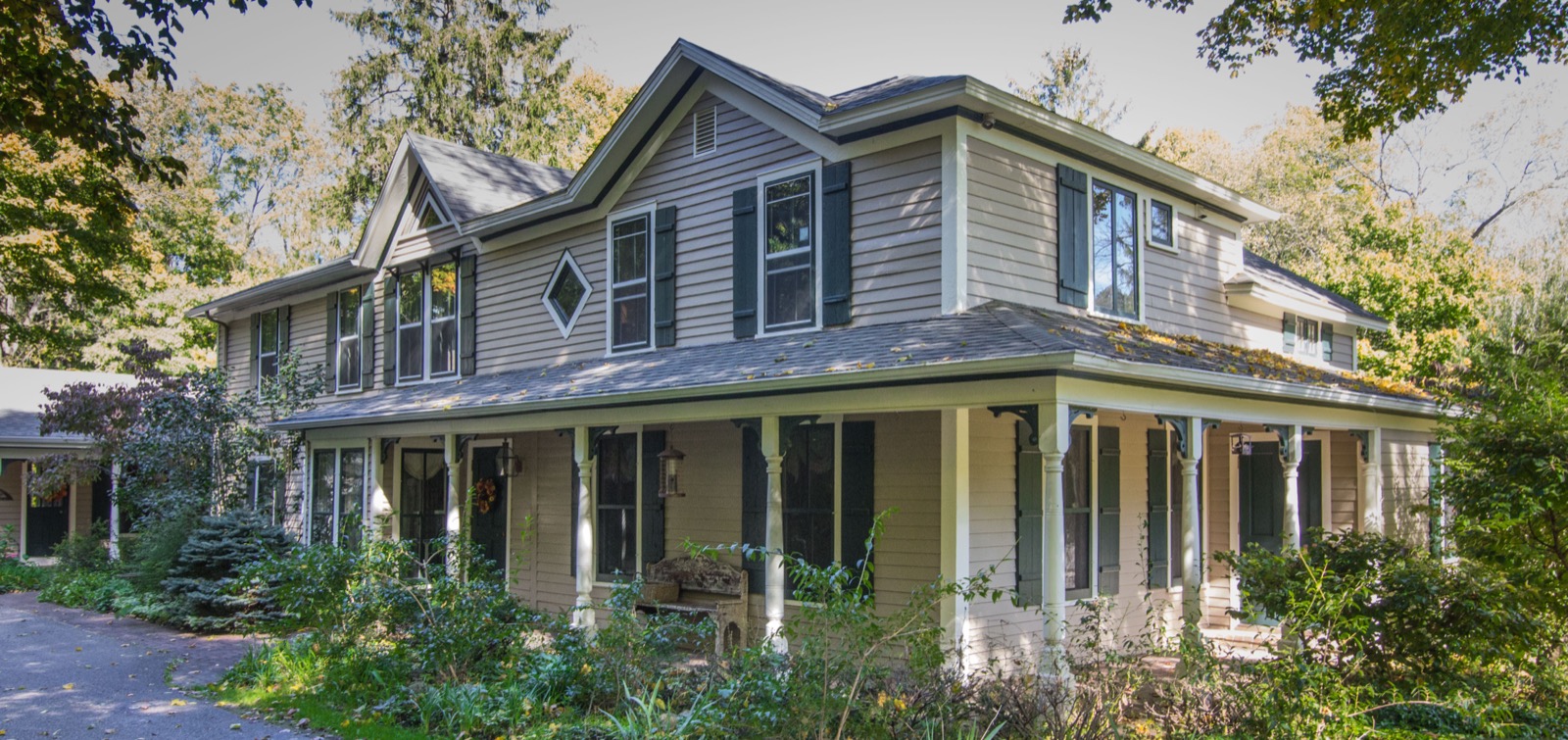
Here's a fun exercise: ask what your house is worth, and count the answers. The internet has an estimate. The city assessor has a number. You have a number (be honest — you've had one for years). And somewhere out there, a buyer has the only number that actually counts.
Right now, your Grand Rapids home has at least four prices. Let me walk you through all four — what each one is actually measuring, why they disagree, and how to find the one that matters.
Price #1: the online estimate
Type your address into any of the big real estate sites — Zillow's "Zestimate" is the famous one — and you'll get a number in seconds. It feels authoritative. Here's what it actually is: a computer model crunching public records and nearby sales at massive scale. Genuinely useful as a starting point — and completely blind to everything that makes your house yours.
The model doesn't know you renovated the kitchen in 2023. It doesn't know the basement takes on water in April, or that your backyard catches the best evening light on the block. It's pricing a set of records, not a home. Treat it like a weather forecast from three counties away: roughly the right climate, wrong about your backyard.
Price #2: the city's number
This is the one that confuses almost every Michigan homeowner, so let's clear it up. Open your assessment notice and you'll see your SEV — state equalized value. By Michigan law, your assessed value is set at 50% of what the assessor believes your home would sell for. So the folk wisdom says: double your SEV and that's your market value.
Not quite. Assessors value entire neighborhoods at once, using mass formulas and sales studies that lag the market by a year or more. In a market moving as fast as ours, that lag is real money. And your taxable value is a different number again — capped so it can only rise by inflation or 5% a year, whichever is lower, until the property sells and the cap comes off. (Buyers: that "uncapping" is why the current owner's tax bill can be much lower than yours will be. Ask about it before you write the offer.)
Your doubled SEV is a clue, not a price.
Price #3: your number
You have one. Everyone does. It's built from what you paid, what you've put in, what the neighbor's house went for in 2021, and two decades of memories that are worth everything to you and nothing to an appraiser.
Here's the hard truth, said kindly: improvements don't convert dollar-for-dollar, and the market doesn't price your story. The house you raised your kids in and the house down the street with the same floor plan are, to a buyer, the same square footage. Knowing that going in is the difference between pricing with strategy and pricing with hope.
Price #4: the one that counts
Market value is simple to define and hard to fake: it's what a qualified buyer will actually pay, right now, in this market. The way to estimate it honestly is a comparative market analysis — real, recent, nearby sales, adjusted for what makes your home different, read by someone who has walked the comps.
And "recent" matters more here than most places. Per the Greater Regional Alliance of REALTORS' June 2026 report, Kent County homes that sold averaged just 19 days on market, with about 1.1 months of inventory in the whole county. When houses move that fast, a comp from last fall is already a history lesson. Pricing off stale data is how homes end up either left on the table or left on the market.
("Wait," you might be asking, "isn't there a fifth price — the appraisal?" There is, and it deserves its own post. Short version: the appraisal is a lender's version of price #4, done after you're under contract, to protect the bank's money — not to set your price. When the two disagree you get an appraisal gap, which is a different problem with a different fix.)
The take-home
Before any pricing conversation — with me or anyone — gather three things: your assessment notice, a list of improvements with rough dates, and your honest timeline for moving. Then ask whoever you're talking to one question: which comps are you using, and why those? A real answer sounds like addresses and adjustments. A vague answer is your cue to keep looking.
And if you want the real number for your house — not the forecast from three counties away — send me your address through my contact page and I'll pull the actual comparable sales and walk you through what I'm seeing. No pressure, no obligation. Just the fourth price, found properly.
The four prices of one house
The online estimate
A model pricing public records at scale. A useful starting point — and blind to your kitchen, your basement, your block.
The city's number
Your SEV is 50% of the assessor's estimate, set in bulk and lagging the market. A clue, not a price.
Your number
Built from what you paid, what you've put in, and the story you lived here. Real to you — invisible to buyers.
Market value
What a qualified buyer will pay today — found with fresh comps, read by someone who has walked them. The one that counts.