
August 10, 2026 · Nate Love
Selling an inherited house in Michigan: what to settle first
For sellers · Costs & fees
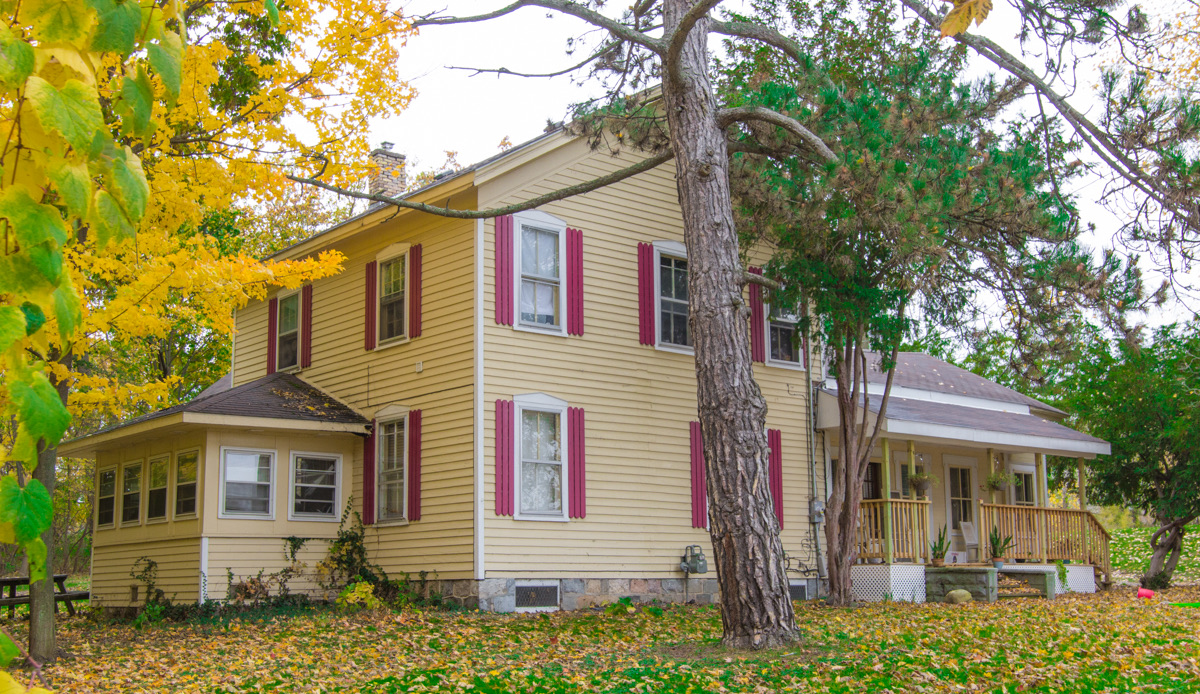
A few weeks after the funeral, the paperwork starts. Someone has been named personal representative, there's a house standing empty on the northeast side, and the family reaches the stage where grief begins handing out assignments.
Here's the honest framing: the house is the part of this that has rules. The hard part is that three siblings can love the same person and still want three different things from the same building, and no statute settles that. What the rules can do is clear the procedural unknowns, so the family conversation isn't happening on top of a pile of open questions.
Three things to settle before anyone talks about listing.
First: find out who can actually sell it
Being named in a will doesn't give you the power to sign a deed. That power comes from the probate court, and until someone holds it, the house cannot be sold by anybody.
Michigan has a shortcut for small estates, but it won't help here — for someone who died in 2026, the estate must be worth $53,000 or less to use it. A house clears that bar by itself. So for most families, some form of probate is the road.
Then plan around one number: a Michigan estate has to stay open at least five months, with notice to creditors published at least four months before it can close.
"Open" sounds worse than it is. An estate is a temporary legal container holding what the person owned, and closing it is the final step — the court agreeing the debts are settled and the rest can go to the heirs for good. Michigan keeps that container open five months minimum, with public notice to creditors running through four of them, so anyone owed money gets a fair chance to say so before the assets scatter.
So five months is a floor on finishing, not a freeze on doing. Once a personal representative holds authority, the house can generally be cleaned out, prepared, listed, and put under contract while the estate's four-month window runs. What the five months governs is when proceeds reach the heirs — a different question from when the house can sell, and an easy one to conflate. Ask your probate attorney what your letters of authority allow.
Laid out side by side, the two timelines look like this — and the overlap is the part worth seeing.
Two timelines, running at once
A typical uncontested Michigan estate, measured from the date of death. The estate has a legal minimum; the house doesn't wait for it.
Hover or tap any bar to read that step ↑
1Open the estate. The personal representative petitions the probate court. Until the court grants authority, nobody can sign a deed — this is the gate everything else waits behind.
Second: pin down the date-of-death value
This is the rare tax rule that runs in a family's favor, and it's worth real money.
Your cost basis is the number the IRS treats as what the property cost you. It matters for one reason: your taxable gain is the sale price minus your basis. Low basis, big taxable gain. High basis, small one.
Normally basis is whatever you paid. But inherited property is generally reset to the fair market value at the date of the individual's death — the "stepped-up basis." Say your mother bought the house in 1979 for $38,000 and it's worth $310,000 the week she dies. Her basis was $38,000; yours becomes roughly $310,000. That $272,000 of appreciation, built over four decades, is never taxed to anyone. Sell within a year at $315,000 and the taxable gain is $5,000.
But the step-up only helps if you can prove the number. Get a written date-of-death valuation early — an appraisal, or a documented broker opinion with the comparable sales attached. The risk isn't a sale six months from now; it's one three years from now, in a market that has moved, when the date-of-death value is something nobody wrote down. Paper now is cheaper than paper later.
Third: call the assessor before anyone moves in — or rents it out
Michigan's taxable-value cap is the quirk I keep coming back to. Taxable value climbs only with inflation while one owner holds a property, then resets to market when it changes hands — I've written about how that reshapes a seller's math and how it lands on buyers weeks after closing.
Inheritance normally counts as one of those changes. But there's an exception built for exactly this situation: a conveyance by will or intestate succession is a transfer of ownership — except, since December 31, 2014, when the property is residential and the person receiving it is the decedent's or decedent's spouse's "mother, father, brother, sister, son, daughter, adopted son, adopted daughter, grandson, or granddaughter and the residential real property is not used for any commercial purpose following the conveyance" (Treasury Bulletin 20 of 2017, on MCL 211.27a).
Read that last clause twice. If a daughter inherits her mother's house and lives in it, the cap can carry over. If she rents it out instead, "not used for any commercial purpose" becomes a live question — and the answer can be worth thousands a year, every year. Before anyone signs a lease, call the assessor's office where the house sits and ask. That call is free; the alternative is finding out by mail.
One piece of housekeeping: a Property Transfer Affidavit is due to the assessor within 45 days of a transfer, and failing to file it can bring back taxes, interest, and penalties.
The conversation the paperwork is really about
Once authority, value, and the cap are settled, the family faces the actual decision.
Two paths for the family home
Sell it
Turn the house into shares
The property-tax cap
Uncaps for the buyer — their bill, not yours, but it shapes what they'll offer
Capital gains
Measured from the date-of-death value, so a prompt sale usually leaves little to tax
What it asks of you
One hard season of sorting and signing, then a clean split
Keep it
Hold the house
The property-tax cap
May stay capped — if you're on the statute's list of relatives and nobody uses it commercially
Capital gains
Deferred, not erased — appreciation after the death is taxed whenever you do sell
What it asks of you
Taxes, insurance, upkeep, and a decision every co-owner has to agree on
The option that looks easiest is keeping it jointly, and it's the one that ages worst. Taxes, insurance, and a roof don't care that everyone was being generous in month one, and every future decision needs agreement from people whose lives are heading in different directions. If one heir genuinely wants the house, a clean buyout at a defensible number is almost always kinder than shared ownership held together by good intentions.
Plainly, about my own lane: I'm a REALTOR®, not an attorney or a CPA. Everything above is general landscape, not legal or tax advice for your situation. What I can do is save you the cold-calling — I know good people here in Grand Rapids, attorneys and CPAs and title officers and lenders, and I'm glad to point you toward the right one, with no obligation to use me for anything else. Nobody should have to vet a probate attorney from scratch in the same week they're sorting through a parent's closets.
The take-home
In the first month, do three things in this order: find out who holds authority to sell, get a date-of-death valuation in writing, and call the assessor before anyone moves in or signs a lease. All three shape what follows, and all three get harder to reconstruct with time. If you want the whole sequence at a glance, the two timelines are up above.
Then, and only then, the question I can help with: what is this house worth today, and what would it take to be ready? Send me a message when you get there — or before, if what you need is the name of a good probate attorney. There's no rush on my end. For most families the house is the last thing they're ready to think about, and that's exactly as it should be.